
A graphic design portfolio can open a conversation, but finding suitable work takes more than showing attractive images. Employers and clients need to know what problem you solved, what you contributed and how you handle feedback and deadlines. The role also varies widely: one team may need social media graphics, while another needs packaging, presentation layouts or print-ready files. Before sending applications, decide what kind of design work you want to do and gather evidence that you can do it well. This guide explains how to present your skills, assess a role and prepare for the questions that come after someone sees your work.
Define the work you want to pursue
Start by listing the projects you enjoy and the skills you can demonstrate today. Branding, editorial layout, advertising graphics, illustration and interface design all draw on visual thinking, but their daily tasks differ. You do not need to choose one specialty forever. A clear starting focus simply helps you select the most relevant work for each application and explain where you would contribute.
Consider the kind of working arrangement that suits you. An in-house role may involve learning one organisation’s audience and visual system in depth. Agency work can bring varied briefs and faster changes of direction. Freelance projects offer flexibility but require you to manage client communication and delivery as well as design. Read the responsibilities rather than relying on a title alone; a job may also expect photography, video editing or marketing support. Think about the tools and support you need to work well. Access to feedback, suitable equipment and a clear approval process may matter as much as the subject of the design. Write down your priorities before you compare opportunities.
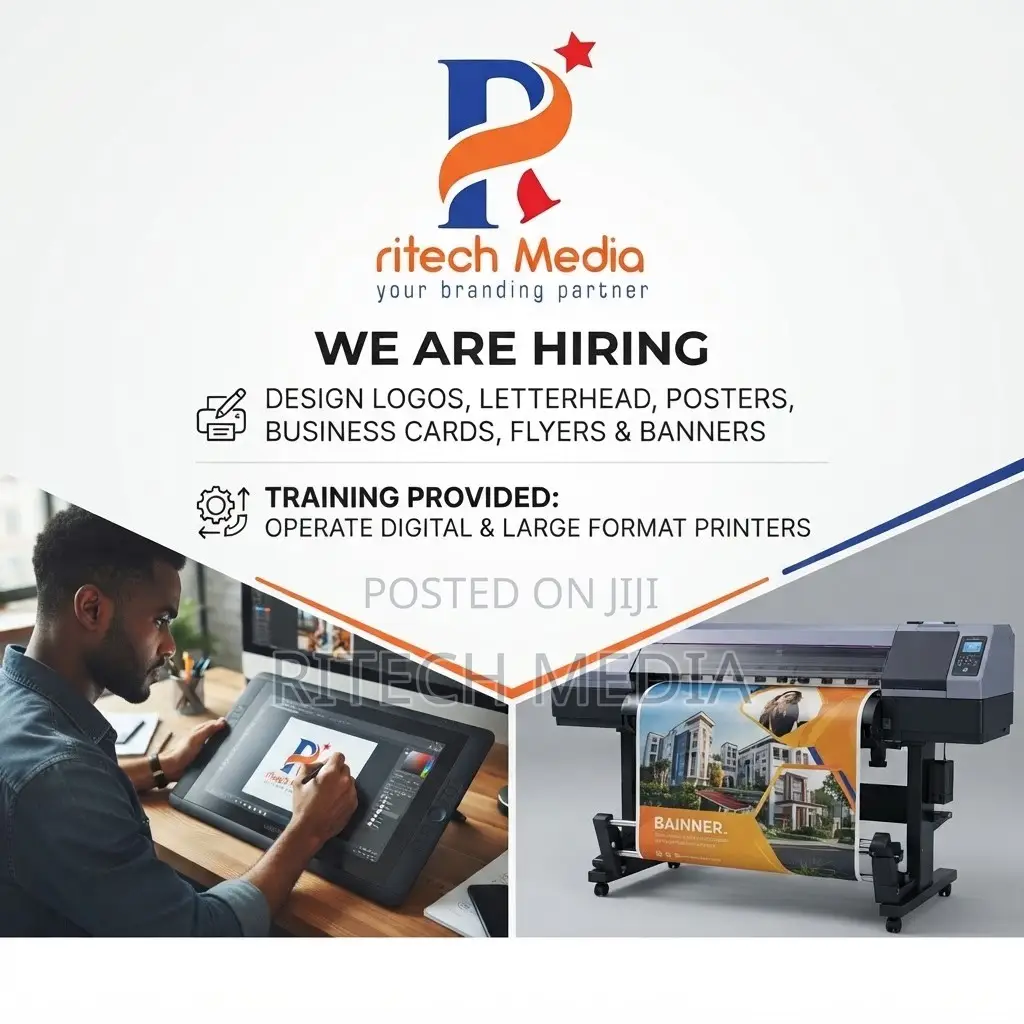
When roles are available, browsing Graphic Designer job listings can help you compare the tasks and working arrangements employers describe in Kenya. Use the wording of each advert to identify the skills you can genuinely show, then check the employer and the application process before sharing personal information. If a page has no current matches, revisit it later rather than assuming every listed category always has an open role.
Build a portfolio that explains your decisions
Choose a small set of strong projects rather than filling a portfolio with every image you have made. For each piece, explain the brief, intended audience, constraints and your own contribution. Show enough of the finished work for someone to judge it, then add a short note about why you made key decisions. A logo, for example, is more informative when the viewer can see how it works on a sign, document or digital screen.
Include work that matches the role you want. If you are applying to make social graphics, show how you handle a series of related posts, not only a single polished image. For print work, demonstrate attention to legibility, hierarchy and production details. Personal projects can be useful when professional experience is limited, but label them honestly. Do not present a speculative redesign as commissioned work.
Show range without losing focus
A portfolio should reveal that you can adapt to a brief without making every project look alike. Try to include different types of problem: one that calls for a restrained layout, another that needs a strong campaign idea and perhaps one with complex information to organise. The point is not to display every style. It is to show that your choices follow the audience and purpose.
Make the portfolio easy to browse on a phone as well as a larger screen, since a reviewer may open it wherever they are. Use clear project names and keep image files readable without forcing long waits. If you include collaborative work, state which parts were yours. Honest attribution makes it easier to discuss your process and prevents confusion during an interview.
Prepare a concise CV and tailored message
Your CV should make relevant experience easy to find. Name the design tasks you performed, the kinds of deliverables you produced and the tools you can use with confidence. A long list of software is less useful than a clear account of how you applied it. If you are early in your career, coursework, volunteer projects and self-directed briefs can demonstrate skills when described accurately.
For each application, write a short message connecting your work to the advertised tasks. Mention one or two relevant projects and what they show. Avoid repeating the entire CV or sending an identical note to every employer. Check that the portfolio link or attached file opens correctly, that contact details are current and that the requested format has been followed. Small errors can distract from strong design work.
Read the brief behind the job title
Look closely at the deliverables. Will you create new concepts, adapt existing templates, prepare files for production or manage a visual identity over time? Ask how much direction is provided, who approves work and whether writing copy or sourcing images is part of the role. These details affect both the skills needed and how satisfying the work may be for you.
Notice whether the advert describes its audience and goals. A team that can explain who the design serves is easier to have a useful conversation with. If the description is vague, prepare questions for the first interview rather than making assumptions. Clarify location, schedule, equipment and whether the role is permanent, contract or project based. A familiar title can hide a very different daily routine.
Discuss process in the interview
Be ready to talk through a project from brief to final delivery. Explain what you were asked to achieve, how you explored options, which feedback changed your direction and what you would improve now. You do not need to claim that every design was perfect. A thoughtful account of a constraint or revision can show more maturity than a rehearsed description of the finished image.
Ask how the team gives feedback and resolves conflicting opinions. Find out whether there are brand guidelines, who supplies content and what happens when a brief changes after work has begun. These questions show interest in the actual job and help you decide whether the environment supports good design. If a practical test is requested, confirm its scope, deadline, use of your work and whether it is compensated before you begin.
Check the terms of a project or offer
For freelance work, agree on deliverables, revision rounds, deadlines, file formats and payment stages in writing. Clarify who will provide copy, photographs, fonts and any required permissions to use materials. A small project can become unexpectedly large when these points are left open. Keep a record of changes and confirm additional work before taking it on.
For an employment offer, review responsibilities, reporting lines, working hours and the equipment or software provided. If the role involves both design and other duties, ask how priorities will be set. Requirements and rights can depend on the arrangement, so seek qualified advice when you are unsure about contract terms. A clear agreement helps both sides understand what success looks like.
Protect your work and information
Share enough portfolio material to show your ability, but do not send confidential client files or designs you lack permission to display. If a project is under a nondisclosure agreement, describe the type of problem and your role without revealing protected details. Use your own contact details consistently and verify who is requesting any documents. An application should not require you to reveal more personal information than is reasonably needed at that stage.
Be cautious if someone promises a job immediately, asks for an unexplained payment or wants extensive finished design work without a clear brief. Ask for the organisation’s name, a written description of the opportunity and a way to verify the contact. It is reasonable to step back when answers remain vague. A professional opportunity should allow you to understand the work and terms before committing.
Keep improving between applications
Use the search period to strengthen a specific weakness rather than adding random projects. If your portfolio lacks typography, create a piece where clear text hierarchy is central. If you want production work, practise preparing files to an agreed specification and documenting your checks. Feedback from peers can help you see where a project needs more explanation or where the visual result is hard to understand.
A practical application checklist
- Fit: Can you show work relevant to the actual tasks, not just the title?
- Portfolio: Does each selected project explain your role and design choices?
- Application: Are your CV, message and contact details accurate and easy to open?
- Questions: Do you know what to ask about feedback, deliverables and working arrangements?
- Terms: Are scope, deadlines and responsibilities clear before you accept?
- Safety: Have you checked the organisation and avoided sharing unnecessary confidential information?
The bottom line
A strong graphic design job search starts with a clear view of the work you want and a portfolio that shows how you solve problems. Tailor each application to the role, ask practical questions about the brief and review the terms before committing. The right opportunity should make good use of your skills while giving you enough clarity to produce thoughtful work.